
What is Lip Pigmentation: Causes of Dark Lips

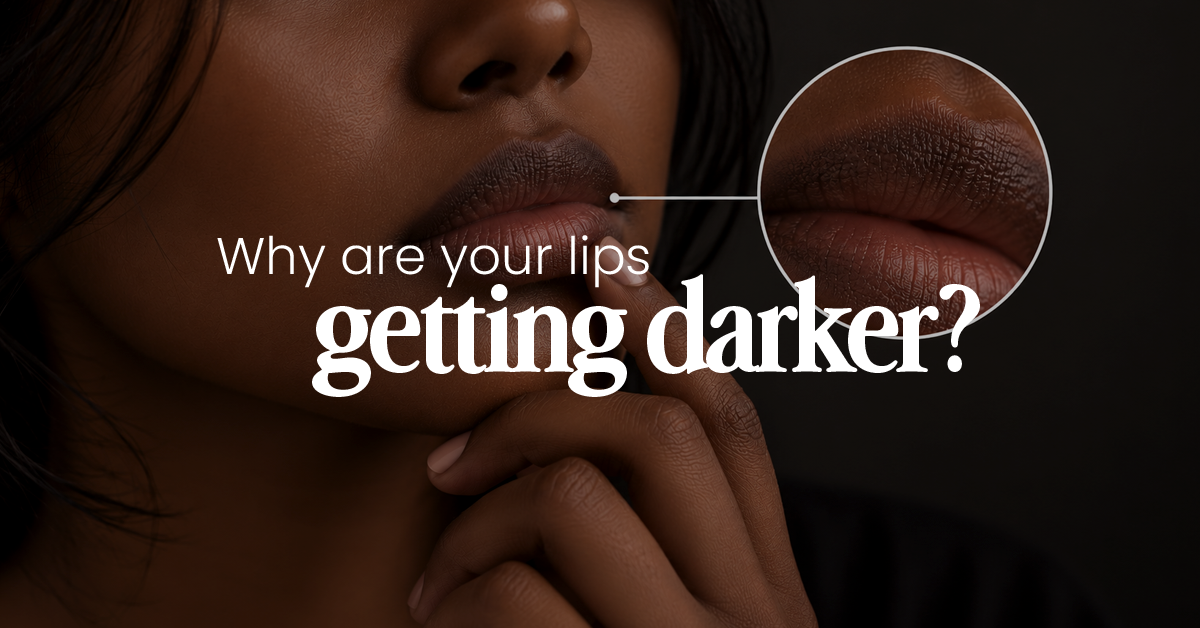
Lips naturally come in different shades of pink, red, brown and purple, depending on skin tone, genetics and the amount of melanin present. However, if your lips become noticeably darker than usual or develop uneven patches, you may be experiencing lip pigmentation.
Dark lips are a common concern and can develop for several reasons, including sun exposure, smoking, irritation, hormonal changes and certain medications. While lip pigmentation is usually harmless, sudden or unexplained changes in lip colour may sometimes require medical evaluation.
Understanding what causes dark lips is the first step toward choosing the right treatment and preventing further pigmentation.
What Is Lip Pigmentation?
Lip pigmentation refers to the darkening or uneven colouring of the lips due to increased melanin or other changes affecting their appearance.
Melanin is the natural pigment responsible for the colour of your skin, hair and eyes. When pigment-producing cells become more active, the lips may develop a darker appearance.
Lip pigmentation can appear in different forms, including:
- Uniform darkening across the upper or lower lip
- Brown or greyish patches
- Uneven pigmentation around the lip border
- Dark spots on otherwise pink or naturally brown lips
- Gradual changes in the overall colour of the lips
Some people naturally have darker lips because of their genetics. This is normal and does not necessarily indicate a skin problem. The main concern arises when pigmentation develops unexpectedly, becomes uneven or changes over time.
What Causes Dark Lips?
There is no single cause of lip pigmentation. Several factors can contribute to darker lips, and more than one may be involved in the same person.
1. Sun Exposure
Sun exposure is one of the common causes of lip pigmentation. The lips have a thinner protective barrier than much of the skin on the face, making them vulnerable to environmental damage. Ultraviolet (UV) radiation can stimulate pigment production and contribute to darkening, particularly in people who spend considerable time outdoors.
Repeated sun exposure may also contribute to dryness, roughness and premature ageing of the lips.
Using a lip balm with broad-spectrum SPF protection can help reduce UV-related damage and prevent existing pigmentation from becoming more noticeable.
2. Smoking
Smoking can contribute to lip discolouration. Exposure to tobacco smoke and heat, along with the effects of smoking on the surrounding tissues, may be associated with darker lips. Some people who smoke develop brownish pigmentation that becomes more noticeable over time.
Quitting smoking can help prevent further exposure-related damage, although existing pigmentation may not disappear immediately.
3. Lip Licking and Irritation
Repeatedly licking your lips may seem harmless, but it can damage the protective skin barrier. Saliva evaporates quickly and can leave the lips drier than before. Repeated licking, rubbing, biting or picking may cause inflammation. In some people, this inflammation can lead to post-inflammatory hyperpigmentation.
Certain lip products can also trigger irritation or allergic contact cheilitis. Fragrances, flavouring agents, preservatives and other ingredients may contribute to redness, itching, scaling and subsequent darkening.
If your lips are persistently dry, irritated or discoloured, consider discontinuing recently introduced products and seeking professional advice.
4. Allergic Reactions to Lip Products
Lipsticks, lip balms, lip glosses, toothpaste and other products that come into contact with the lips may cause allergic reactions in susceptible individuals.
An allergic reaction may involve itching, redness, swelling, cracking or peeling. Repeated inflammation can leave darker marks, especially in people prone to pigmentation.
If you suspect a product is responsible, stop using it and consult a healthcare professional if symptoms persist. Avoid repeatedly testing products that have caused a reaction.
5. Hormonal Changes
Hormonal changes can influence melanin production and contribute to pigmentation in some individuals.
Pregnancy and certain hormonal conditions may be associated with changes in skin pigmentation, although isolated dark lips are not enough to identify a hormonal problem.
If lip darkening develops alongside other unexplained changes, a medical assessment can help determine whether further investigation is necessary.
6. Nutritional Deficiencies
Certain nutritional deficiencies can affect the appearance and health of the lips. For example, deficiencies involving vitamin B12, iron or other nutrients may be associated with changes in oral tissues or pigmentation in some cases.
However, dark lips alone do not establish that you have a nutritional deficiency. Testing and treatment should be guided by your symptoms and a healthcare professional’s assessment.
7. Medications and Medical Conditions
Some medications can cause pigmentation changes as a side effect. Certain medical conditions may also affect the colour of the lips or the surrounding skin.
Persistent or unexplained pigmentation should therefore be assessed in the context of your medical history, medication use and other symptoms.
If a medication appears to be responsible, do not stop taking it without consulting the prescribing clinician.
8. Genetics and Natural Skin Tone
Sometimes, dark lips are simply a natural characteristic. Melanin distribution varies from person to person, and people with naturally darker skin tones may also have more pigmented lips. This is normal and generally does not require treatment.
If your lip colour has always been relatively dark and remains consistent, it may reflect your natural pigmentation rather than an acquired skin condition.
How Can You Identify the Cause of Dark Lips?
The pattern of pigmentation and when it developed can offer useful clues.
For example, gradual darkening after years of sun exposure may suggest UV-related pigmentation. Darkening accompanied by dryness, redness or peeling may indicate irritation or inflammation.
However, appearance alone cannot always identify the underlying cause. A dermatologist or qualified healthcare professional can assess your lips, review your medical history and determine whether the pigmentation is likely to be harmless or needs further investigation.
Seek medical advice if you notice a new dark spot that changes in size, shape or colour, develops irregular borders, bleeds or becomes painful. A persistent isolated lesion should not automatically be assumed to be ordinary pigmentation.
How Can Lip Pigmentation Be Treated?
Treatment depends on the cause, the extent of pigmentation and the condition of the lips.
1. Sun Protection
Protecting your lips from UV radiation is an important first step. Use a broad-spectrum lip balm with SPF 30 or higher and reapply it regularly, particularly after eating, drinking or spending time outdoors.
Consistent sun protection can help prevent further darkening and support other treatment approaches.
2. Gentle Lip Care
Avoid harsh scrubs, aggressive exfoliation and products that cause burning or irritation. Use a simple, fragrance-free lip balm or ointment to keep the lips moisturised. Ingredients such as petrolatum can help protect the skin barrier and reduce moisture loss. Avoid picking at dry or peeling skin, as repeated trauma may worsen pigmentation.
3. Address the Underlying Cause
If lip pigmentation is related to smoking, irritation, an allergic reaction or a medication, addressing the contributing factor is an important part of management.
For suspected nutritional deficiencies or medical conditions, appropriate testing and treatment may be necessary.
Correcting the cause may help prevent further pigmentation, although existing darkening can take time to improve.
4. Professional Pigmentation Treatments
Some persistent cases may benefit from professional assessment for targeted pigmentation treatments.
Depending on the cause and the individual’s skin condition, a specialist may consider selected topical treatments or procedures. However, the lips are delicate, and treatments intended for facial skin are not automatically suitable for the lips themselves.
Laser treatments and chemical peels can cause burns, irritation, scarring or additional pigmentation if used inappropriately. Any procedure involving the lips should be selected and performed by an appropriately qualified professional with experience treating lip pigmentation.
Not every case needs a cosmetic procedure, and the safest approach is to establish the likely cause before proceeding.
Can Dark Lips Become Pink Again?
That depends on the reason for the pigmentation. If the darkening is caused by irritation, inflammation or a removable environmental trigger, addressing the cause may allow the colour to improve gradually.
Sun-related pigmentation may also respond to consistent protection and suitable treatment, although improvement varies.
However, naturally pigmented lips will not necessarily become pink, and there is no single treatment that can safely guarantee a particular lip colour.
The realistic goal is to improve uneven pigmentation where appropriate, maintain healthy lips and prevent further irritation or damage.
How Long Does Lip Pigmentation Take to Fade?
There is no fixed timeline. Pigmentation caused by mild irritation may gradually improve over several weeks or months after the trigger is removed. More persistent pigmentation may take longer and sometimes requires professional treatment.
The outcome depends on the depth of the pigment, the cause, your natural skin tone and whether the triggering factor continues. Consistent lip care and sun protection are important throughout the process.
When Should You Seek Professional Advice?
Consider consulting a dermatologist or qualified healthcare professional if:
- Your lips become darker suddenly or for no clear reason.
- Pigmentation continues to spread or worsen.
- You experience persistent dryness, itching, swelling or peeling.
- A dark spot changes in appearance or develops irregular borders.
- Pigmentation occurs alongside other unexplained symptoms.
- Home care has not improved the problem.
Professional assessment helps distinguish ordinary pigmentation from inflammation, medication-related changes and other conditions that may require specific treatment.