
What is Melasma and Why Do Black Patches Appear on the Face?

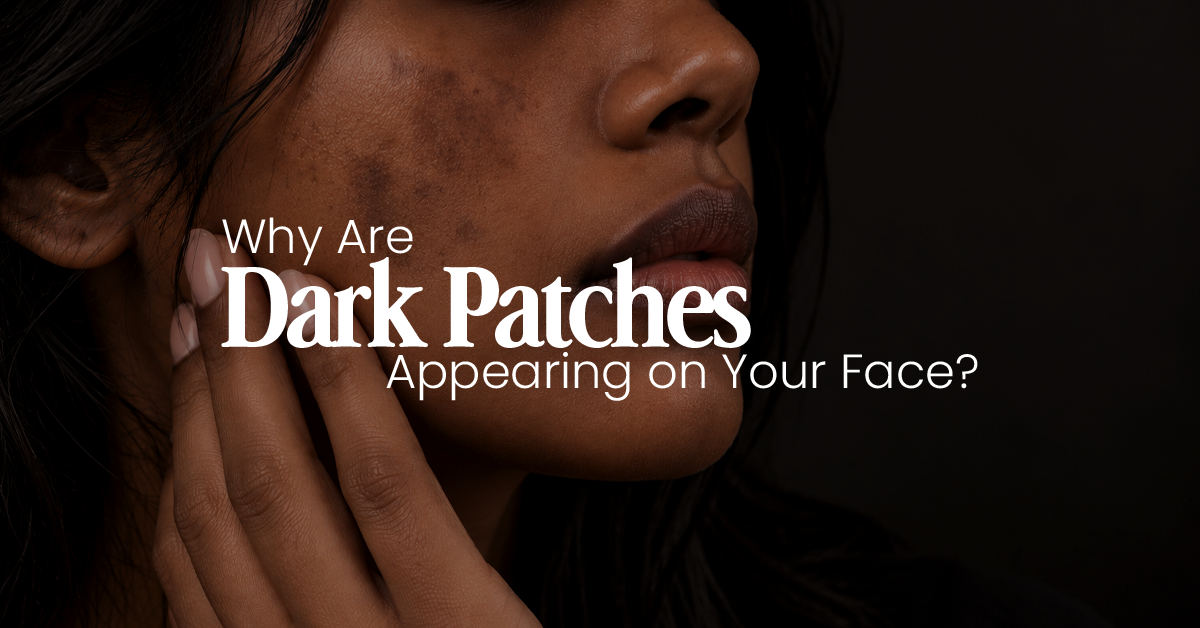
Have you noticed brown, dark or greyish patches appearing on your cheeks, forehead, upper lip or nose? These patches may become more noticeable after sun exposure and can gradually spread across different areas of the face.
One possible cause is melasma, a common skin condition that causes uneven pigmentation. It is particularly common in women and people with darker skin tones, although anyone can develop it.
Melasma is not usually harmful, but it can be persistent and affect how your skin looks. Understanding what causes it, how to identify it and which treatments may help is the first step toward managing the condition.
What Is Melasma?
Melasma is a skin pigmentation disorder that causes brown, grey-brown or darker patches to develop on the skin. It occurs when melanocytes, the cells responsible for producing melanin, produce excess pigment in certain areas.
Melanin gives your skin its natural colour. When its production becomes uneven, darker patches may appear.
Melasma most commonly affects the face, particularly the cheeks, forehead, bridge of the nose, upper lip and chin. The patches often appear on both sides of the face in a similar pattern.
Although melasma can affect anyone, it is more common among women, particularly during pregnancy and other periods of hormonal change. People with medium to darker skin tones may also be more susceptible.
Unlike temporary pigmentation caused by a single pimple or minor irritation, melasma can persist for months or years without appropriate management.
Why Do Black Patches Appear on the Face?
Dark facial patches can develop for several reasons. Melasma is one possibility, but it is important to understand that not every dark patch is melasma.
Here are some of the most common contributing factors.
1. Sun Exposure
Sun exposure is one of the most significant triggers of melasma. Ultraviolet (UV) radiation stimulates melanin production. Visible light can also worsen pigmentation, particularly in people with darker skin tones.
Repeated exposure may cause existing melasma patches to become darker, even after they have started to fade.
This is why pigmentation can become more noticeable during summer or after spending extended periods outdoors.
2. Hormonal Changes
Hormones can influence how melanocytes produce pigment. Melasma is often associated with pregnancy, which is why it is sometimes called the “mask of pregnancy.” Hormonal contraceptives and other hormonal changes may also contribute to its development in susceptible individuals.
However, hormonal changes are not the only cause. Many people develop melasma without pregnancy or a clear hormonal trigger.
3. Genetic Predisposition
If melasma runs in your family, you may have a greater likelihood of developing it. Genetics can influence how your skin responds to sunlight, hormones and other pigmentation triggers.
This helps explain why some people develop noticeable patches after relatively limited sun exposure, while others do not.
4. Skin Irritation and Inflammation
Skin irritation can sometimes trigger or worsen pigmentation. Harsh skincare products, excessive exfoliation, unsuitable cosmetic treatments and inflammatory skin conditions may contribute to post-inflammatory hyperpigmentation.
Although this is different from melasma, both conditions can produce dark facial patches and may look similar.
5. Certain Medications and Products
Some medications can make the skin more sensitive to sunlight or contribute to pigmentation changes.
Fragrances and other ingredients in certain skincare products may also cause irritation that leaves dark marks, especially in people prone to pigmentation.
If dark patches appear after starting a new medication or skincare product, consult a qualified healthcare professional rather than stopping prescribed medication yourself.
How Can You Recognise Melasma?
Melasma typically appears as flat patches of darker pigmentation rather than raised bumps or individual spots. Common characteristics include:
- Brown, grey-brown or darker patches on the face
- Pigmentation across both cheeks
- Darkening on the forehead, nose or upper lip
- Patches that become more noticeable after sun exposure
- Pigmentation that persists rather than disappearing within a few days
Melasma generally does not cause pain, itching or swelling.
However, other skin conditions can resemble melasma. New, rapidly changing, irregular or symptomatic dark patches should be examined by a dermatologist to establish the correct diagnosis.
Is Melasma Harmful?
Melasma itself is considered a benign pigmentation disorder and does not usually cause physical discomfort or pose a serious health risk.
However, it can be persistent and may affect self-confidence, particularly when the patches are prominent.
The condition can also be frustrating because pigmentation may fade with treatment but return after sun exposure or hormonal changes.
The goal of treatment is to reduce visible pigmentation, improve skin tone and minimise recurrence. Complete and permanent removal cannot always be guaranteed.
How Can Melasma Be Treated?
Melasma treatment depends on the depth of pigmentation, skin type, contributing factors and the severity of the patches.
A dermatologist may recommend a combination of sun protection, topical medication and selected in-clinic treatments.
1. Daily Sun Protection
Sun protection is one of the most important parts of melasma management. Use a broad-spectrum sunscreen with SPF 30 or higher every day, even when the weather is cloudy. Reapply it regularly when spending time outdoors.
For people with melasma, a tinted sunscreen containing iron oxides may provide additional protection against visible light.
Other helpful habits include wearing a wide-brimmed hat, seeking shade and limiting prolonged direct sun exposure.
Without consistent sun protection, pigmentation may return even after successful treatment.
2. Topical Treatments
A dermatologist may recommend topical ingredients that help reduce excess pigmentation. Depending on your skin condition, options may include azelaic acid, retinoids, vitamin C or other pigment-targeting ingredients. Hydroquinone may also be prescribed in appropriate cases.
These treatments work differently and may take several weeks or months to produce noticeable improvement.
Not every ingredient is suitable for everyone. Pregnant or breastfeeding individuals should consult their healthcare provider before using pigmentation treatments, particularly prescription products.
3. Chemical Peeling
Chemical peels use selected acids to exfoliate the skin and help improve uneven pigmentation. Depending on the formulation and strength, a peel may help reduce superficial pigmentation and improve overall skin texture.
However, melasma-prone skin can be sensitive to irritation. An overly aggressive peel may worsen pigmentation, particularly in darker skin tones.
Professional assessment and appropriate treatment selection are therefore essential.
4. Laser and Energy-Based Treatments
Some laser and light-based procedures may be considered for selected cases of melasma that have not responded adequately to other treatments.
However, these procedures require particular caution. Certain laser treatments can worsen melasma or trigger post-inflammatory hyperpigmentation, especially in darker skin tones.
Not every pigmentation device or facial treatment is suitable for melasma. A qualified dermatologist should assess the type of pigmentation and determine whether a procedure is appropriate.
Treatment should generally begin with effective sun protection and suitable medical management before more intensive procedures are considered.
Can Melasma Be Permanently Removed?
Melasma can often be improved, but it is a chronic condition that may recur. Even when the patches become significantly lighter, sunlight, hormonal changes and other triggers can cause them to return.
For this reason, long-term management is usually more realistic than expecting a permanent cure. A suitable treatment plan may combine topical products, sun protection and selected professional procedures. Maintenance is often necessary to preserve results.
When Should You Seek Professional Treatment?
Consider consulting a dermatologist if your facial pigmentation persists, becomes darker or continues to spread.
Professional assessment is particularly important if you are unsure whether the patches are caused by melasma, sun damage, post-inflammatory hyperpigmentation or another skin condition.
Avoid experimenting with strong bleaching products, unregulated creams or aggressive exfoliation. These can irritate the skin and potentially make pigmentation worse.
At LYEV Beverly Hills Bangladesh, a professional skin assessment can help determine the nature of your pigmentation and whether an appropriate aesthetic treatment may be considered. The treatment plan should be tailored to your skin type, pigmentation pattern and individual concerns.